Hit and trials in manufacuting industry recruitment Does your recruitment partner understand your business?
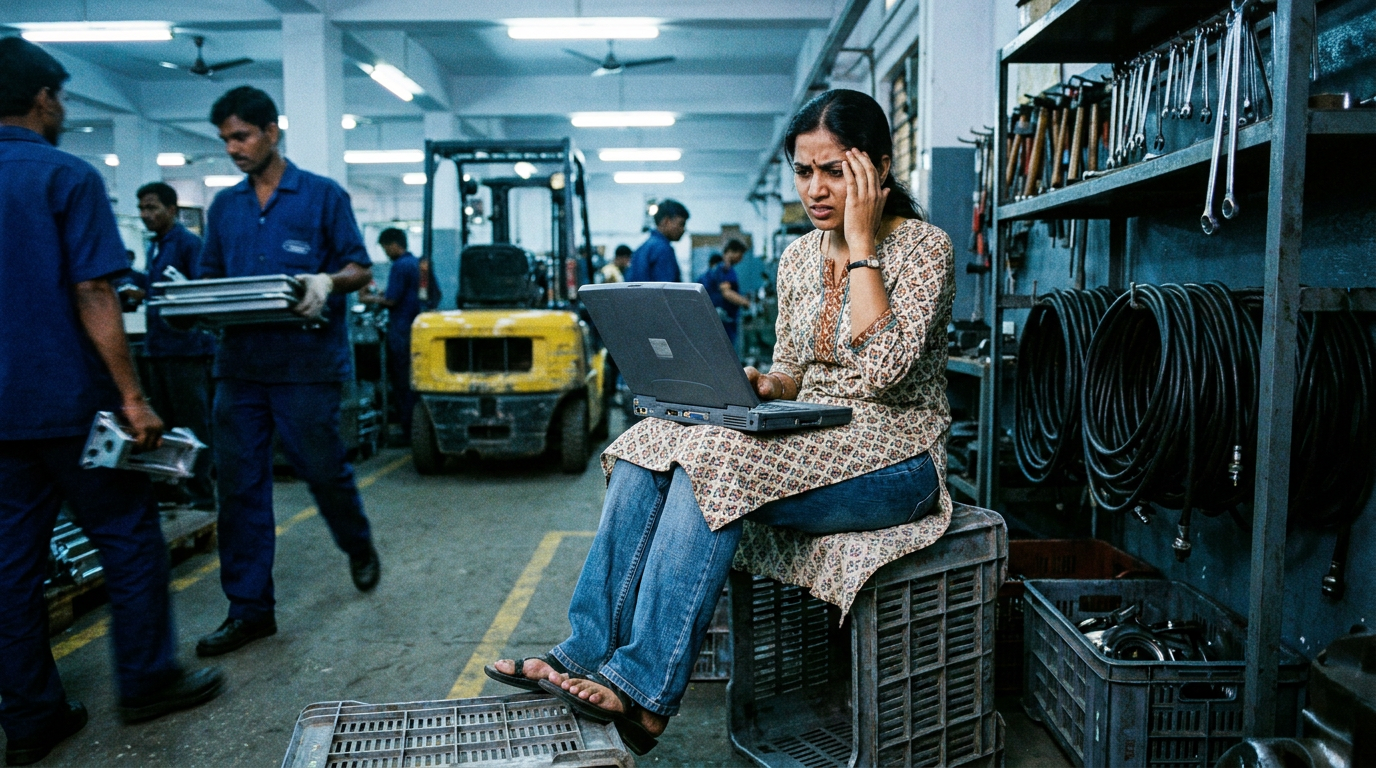
Rajesh Gupta, Head of Operations at a manufacturing company, needed a certified welder for a quality-inspection role. He briefed Ritu Verma from PeopleRUs Recruitment Agency,
Does your recruitment partner understand your business? - Hit and trials in manufacuting industry recruitment
Rajesh Gupta, Head of Operations at a manufacturing company, needed a certified welder for a quality-inspection role. He briefed Ritu Verma from PeopleRUs Recruitment Agency, explaining that the candidate needed welding certification, hands-on shop-floor experience and an understanding of inspection standards.
A few days later, Ritu sent three profiles. One was a fabricator, another was a general maintenance technician, and the third had welding experience—but none had the required certification or quality-inspection exposure.
The problem was not the recruiter’s effort. It was the lack of manufacturing depth.
Manufacturing recruitment is not simply about matching job titles with CV keywords. A recruiter needs to understand processes, equipment, production environments, certifications and the difference between seemingly similar roles.
For example, a CNC Programmer is not necessarily a CNC Setter. A Quality Engineer for sheet-metal fabrication may require very different experience from one handling automotive components. Similarly, hiring a Maintenance Manager for a chemical plant requires knowledge of electrical, mechanical and process-plant environments.
Consider other common examples. An NPD Engineer may need experience in product development, tooling and customer approvals—not merely design software. A Production Manager in an auto-component plant may need exposure to lean manufacturing, OEE, TPM and specific machining processes. Even a sales professional selling industrial equipment needs an understanding of the products, applications and customer industries involved.
When recruiters lack this understanding, the process quickly becomes a series of CV submissions, rejections and increasingly random searches. Valuable management time is lost, positions remain open and recruitment costs rise.
This is where “hit and trial” recruitment becomes expensive.
A good manufacturing recruitment partner should be able to challenge the brief, understand the shop floor, speak the language of the industry and distinguish between candidates who merely look suitable on paper and those who can actually perform the job.
Your recruitment partner should understand what happens inside your factory—not just what is written in your JD.